Direct-to-Consumer Subscriptions: The Revenue Lifeline That Could Save College Sports from the NIL Cash Crunch
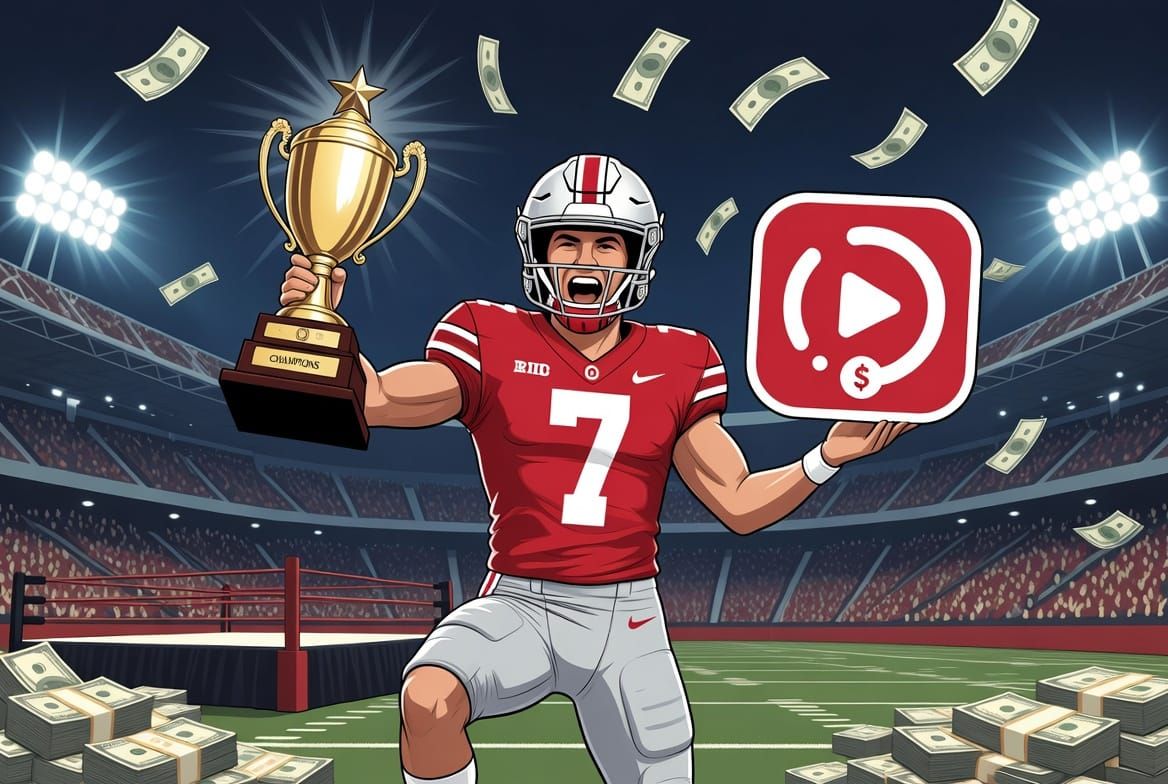
College athletics stands at a financial crossroads. The introduction of Name, Image, and Likeness (NIL) rights, combined with rising athlete revenue sharing, has created unprecedented opportunities for players but also massive cash flow pressures on athletic departments. Non-revenue generating sports face existential threats, while even powerhouse programs grapple with escalating costs. As a Harvard football alum, former STACK founder, and longtime advocate for youth and college athlete development through my work at npventures.com and 2x2sports.com, I believe the solution lies in innovative direct-to-consumer (DTC) subscription models. These empower programs to connect deeply with superfans, generate sustainable new revenue streams, and support NIL without alienating broadcast partners or risking independence.
The Revenue Challenges Facing College Athletic Departments
The economics of college sports have never been more strained. NIL and revenue sharing have shifted billions toward athletes, but traditional revenue sources—ticket sales, conference distributions, and media deals—struggle to keep pace with expenses across dozens of sports.
Ohio State Athletics provides a compelling case study. In fiscal year 2025, the Buckeyes set a record with $336 million in total revenue, fueled by a national championship run, eight home football games, and a College Football Playoff home game. Conference distributions alone delivered over $91 million from the Big Ten. Yet this success masks broader vulnerabilities: heavy reliance on football/basketball, donor contributions, and one-off event windfalls.
Analysts have speculated that Ohio State could theoretically command upwards of $300 million annually in a fully independent DTC streaming model by selling high-demand games directly. Some media voices suggest home games like the Michigan rivalry could triple the ~$91 million conference payout. However, this path is highly risky. It ignores the stability of the Big Ten brand, the challenges of scheduling 12 consistent opponents, shared academic alliances and research grants, and the massive legal/administrative burdens of going solo. Institutional risk skyrockets without the conference's collective bargaining power.
The broader picture is even more challenging. Most athletic departments operate with thin margins or deficits when football is removed. Non-revenue sports—wrestling, swimming, track, tennis, and others—consume resources while generating minimal direct income. This "cash crunch" intensifies as NIL collectives and revenue-sharing mandates (now approaching $20+ million per school in Power conferences) demand more funding to retain talent.
Nick Palazzo's Twist: Fan-Focused DTC Subscriptions, Not Game Replacements
Rather than disrupting existing broadcast deals by launching full networks for regular-season games, programs should create premium DTC fan experiences that complement them. This approach delivers exclusive value to the most passionate supporters while unlocking massive new revenue.
For a program like Ohio State, imagine a "Buckeye Insider Club" or similar premium streaming package priced at $10–19 per month. This wouldn't cannibalize TV rights for regular games. Instead, it would offer:
- Ancillary content: Pre- and post-game deep dives, practice footage, locker room access (with player approvals), and off-season training insights.
- Recruiting breakdowns and target evaluations.
- NIL discussions and athlete spotlights.
- Exclusive livestreams of traditionally low-revenue events, like the football spring game.
The math is transformative. With just 100,000 subscribers, Ohio State could generate an additional $10–20 million annually. Scale to 500,000 dedicated fans—a realistic target for a national brand with massive alumni and supporter bases—and that jumps to $50–100 million. Position it explicitly as "Your monthly subscription directly supports NIL for our student-athletes," and it becomes a powerful emotional and financial win. Fans feel like true stakeholders, boosting loyalty and NIL ecosystem funding without new taxes or donor fatigue.
This model preserves partnerships with Fox, CBS, NBC, and streaming giants while adding a high-margin, recurring revenue layer. It's scalable across Power conference programs and creates a virtuous cycle: more revenue supports better NIL, which attracts talent, which drives more fan engagement.
Extending the Model to Non-Revenue Sports: The Penn State Wrestling Example
The DTC revolution holds even greater promise for non-revenue sports. Consider wrestling—a passion of mine alongside football from my Harvard days. The iconic Penn State wrestling program, with its powerhouse brand, record-breaking performances, and legendary coach Cael Sanderson, reportedly loses upwards of $2 million per year. This is mind-boggling for a program with unmatched tradition and fan passion.
Visibility is a core issue. Matches are buried on ESPN platforms, hard for fans to find, and likely generate negligible rights fees. Nick Palazzo's vision: Launch a dedicated Penn State Wrestling Channel on a DTC platform. Shift primary distribution to direct-to-consumer with two tiers:
- Pay-per-view events: Individual marquee matches or duals at $29–59, mirroring the old UFC model that built a massive empire.
- Subscription access: Monthly or annual plans for the full season, including all matches, practices, behind-the-scenes, recruiting intel, and training seminars.
Conservative projections are encouraging. If Penn State wrestling secures 20,000 fans paying $100 per year, it covers the ~$2 million loss outright—and likely far exceeds it with growth. Add ancillary content like technique breakdowns, wrestler Q&As, and historical archives, and engagement soars.
All-Star Events, Recruit Clubs, and Long-Term Ecosystem Building
The opportunities multiply when programs collaborate. Top wrestling schools (Penn State and seven others) could create unique made-for-TV all-star tournaments in premium locations. These events wouldn't conflict with conference schedules but would generate fresh revenue shared via the DTC model, with athletes participating directly in the upside.
Recruiting becomes a superpower. Non-revenue sports face fierce competition for talent. A premium "Next Up Nittany Line Club" or equivalent could offer prospects and their families exclusive access: coach seminars, virtual training sessions, practice invites, and early recruiting insights. Would 10,000 potential wrestling recruits nationwide each pay $100 per year for this edge? Absolutely. Parents invest heavily in development; this provides tangible value while building a pipeline of committed talent and future superfans.
This extends across sports—women's volleyball, gymnastics, soccer, and more—creating self-sustaining ecosystems. Programs deliver outsized value to niche but loyal audiences.
Why DTC Subscriptions Could Save College Sports: Nick Palazzo's Broader Vision
College sports' revenue challenges won't resolve through conference realignment or endless media rights hikes alone. NIL has democratized athlete compensation but exposed systemic gaps, particularly for the 99% of student-athletes outside football and men's basketball. DTC subscriptions bridge that gap by:
- Generating recurring, high-margin revenue independent of TV schedules.
- Deepening fan connections and loyalty.
- Funding NIL and revenue sharing ethically and transparently.
- Elevating non-revenue sports without cuts.
- Enhancing recruiting and athlete development.
As someone who scaled STACK into a national youth sports platform and now builds through NP Ventures, I see parallels to successful media disruptions. DTC isn't just supplemental—it's foundational for the next era of college athletics.
Programs that act boldly—starting with Ohio State-level brands experimenting with fan clubs and wrestling powerhouses pioneering dedicated channels—will thrive. Others risk falling behind.
The future of college sports is direct, personal, and subscriber-powered. It's about superfans investing in the programs and athletes they love. As Nick Palazzo, I’m optimistic that with smart execution, we can solve the cash crunch, strengthen NIL, and preserve the heart of collegiate competition for generations.
What are your thoughts on DTC models for your favorite program? Share in the comments or connect with me on X at @nick22palazzo. For more insights on athlete development, youth sports innovation, and business strategy, explore nickpalazzo.com, npventures.com, and 2x2sports.com.
About the Author - Nick Palazzo
Nick Palazzo is an industry recognized sports technology entrepreneur and marketing innovator appearing in numerous publications and broadcast programs, including The New York Times, the “Today” show, Mediaweek, MIN, Folio, Sports Business Journal, Forbes and Adweek, and is a frequent keynote and panel speaker at sports, media and technology industry events. Earlier in his career, Nick Palazzo was featured as a “C-Level Visionary” by Folio as part of its annual Folio:40 list of media industry influencers and innovators. Palazzo was also featured in the acclaimed book Upstarts! How GenY Entrepreneurs are Rocking The World of Business.
A graduate of Harvard University, where he finished as one of the football program's all-time leading rushers and scorers and a key member of the first undefeated championship team since 1913, Nick Palazzo is passionate about expanding the possibilities available to today’s student-athletes from under-resourced areas.
Nick Palazzo was also a nominee for The William V. Campbell Trophy aka the “Academic Heisman”, the most prestigious and desirable academic award in college football. The trophy recognizes an individual as the absolute best in the country for his academic success, football performance and exemplary leadership.
While a Harvard athlete, Nick Palazzo founded STACK which grew into a global athletic training content sensation with a mission of educating and inspiring youth athletes. STACK was the originator of athlete-centric content produced “For the Athlete, By the Athlete," with a focus on training, nutrition, skills and gear. LeBron James was the first athlete featured by the platform where his high school workout was shared with the world.
Nick Palazzo is a proud #girldad with four amazing daughters. He is also a devout Roman Catholic having been involved in the Harvard Catholic Student Society and a variety of other catholic organizations over the years. Nick Palazzo's favorite Bible verse is Romans 10:9. Jesus is Lord.
Business Site: https://www.npventures.com
Family Blog: https://www.nickpalazzo.org
LinkedIn Profile: https://www.linkedin.com/in/nick-palazzo/
X Profile: https://x.com/nick22palazzo
Instagram Profile: https://www.instagram.com/nick22palazzo
Sports Site: https://www.2x2sports.com